
Sports Marketing
November 22, 2022 · Read · 4 min · Kevin Esparza
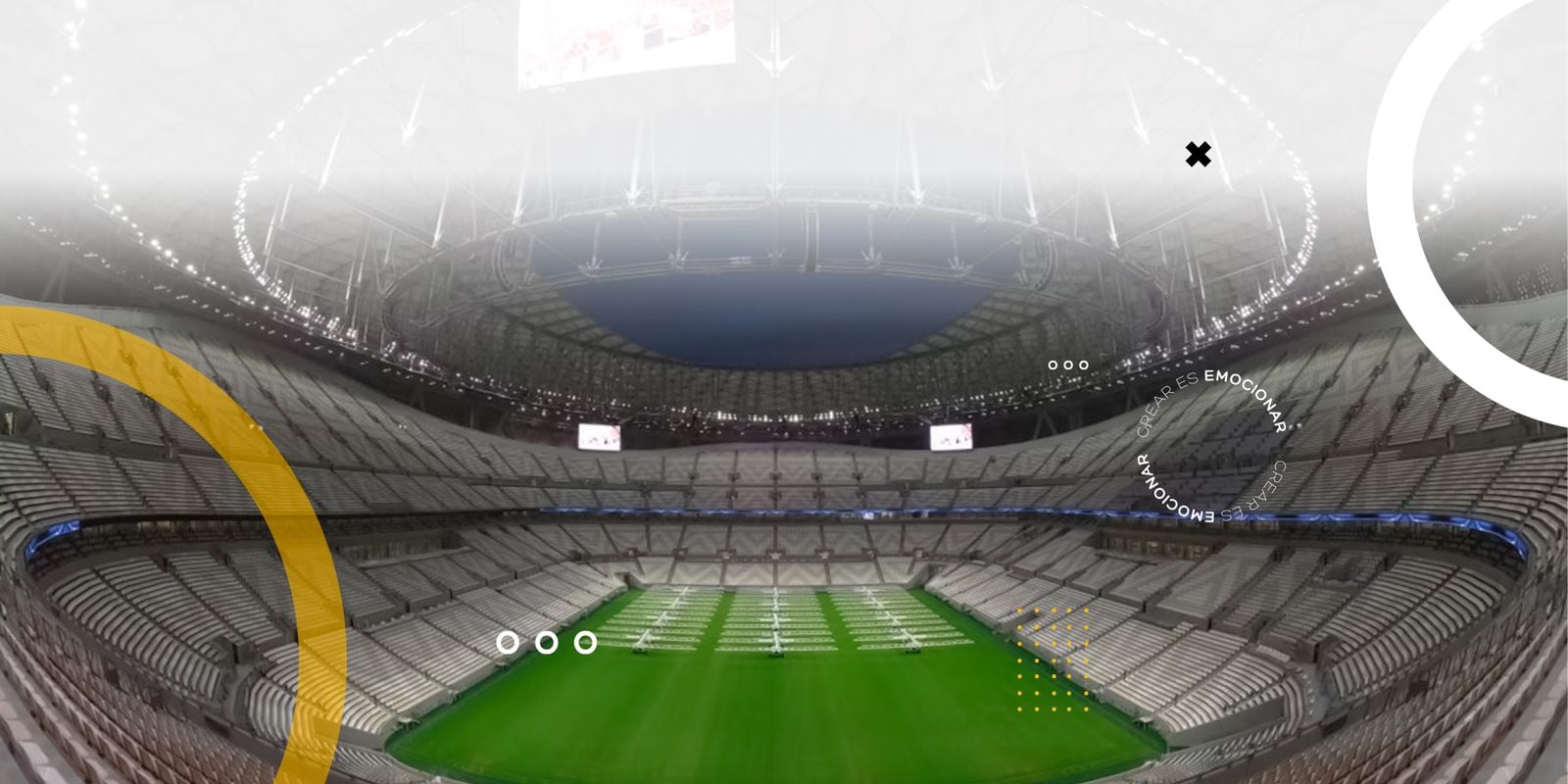
The Qatar 2022 World Cup was more than a sports event. For brands, it became a global stage where visibility, social positioning and commercial agreements collided.
Some brands and national teams used the tournament to send messages around human rights, inclusion and reputation. Pantone with Stop Homophobia UK and Denmark's toned-down uniforms showed how design and communication can become public statements.
The Budweiser case also exposed the risk of building major sponsorships in complex cultural and regulatory contexts. When conditions change, public conversation can shift quickly.
A global event can amplify any message, but it can also amplify tension. During Qatar 2022, several brands had to participate in a sports conversation while social and political context became part of the main agenda.
For marketing, this shows that sponsorship is not limited to a logo on a broadcast. It can communicate alignment, values, silence or distance. Every visual decision, statement and collaboration can be interpreted as part of the brand's positioning.
Design can become a diplomatic resource. A jersey, a flag or a graphic piece can express a position without relying on a long speech. That subtlety is powerful, but it requires strategic clarity to avoid feeling opportunistic.
Reputation is built before major events. When a brand already has a consistent narrative, its actions in high-visibility moments feel natural. When it does not, any gesture can feel improvised.
The lesson for marketers is clear: massive events offer reach, but they also demand cultural sensitivity, risk analysis and consistency between what a brand says, sponsors and represents.
We help design campaigns with narrative, timing and reputation in mind.
Book a strategy sessionIndustries we serve